Skip to content
Body Type Calculator

How to Dress for Your Body Type

By Published 4 min read
Practical fit tips for each of the five body shapes. The goal isn’t to change how your body looks — it’s to find clothes cut for the proportions you have.
Not sure of your shape? Use the female body shape calculator or take the body shape quiz. Then jump to your shape below.

Start with fit, not rules

Most “dress for your body type” advice comes down to fit. Clothes are cut on standard patterns, so the more your bust, waist and hip differences vary from that pattern, the more often something gaps, pulls or hangs. Knowing your shape tells you which measurement to check first on a size chart and which cuts are made with your proportions in mind.

None of the suggestions below are rules. Use the ones that solve a fit problem you actually have.

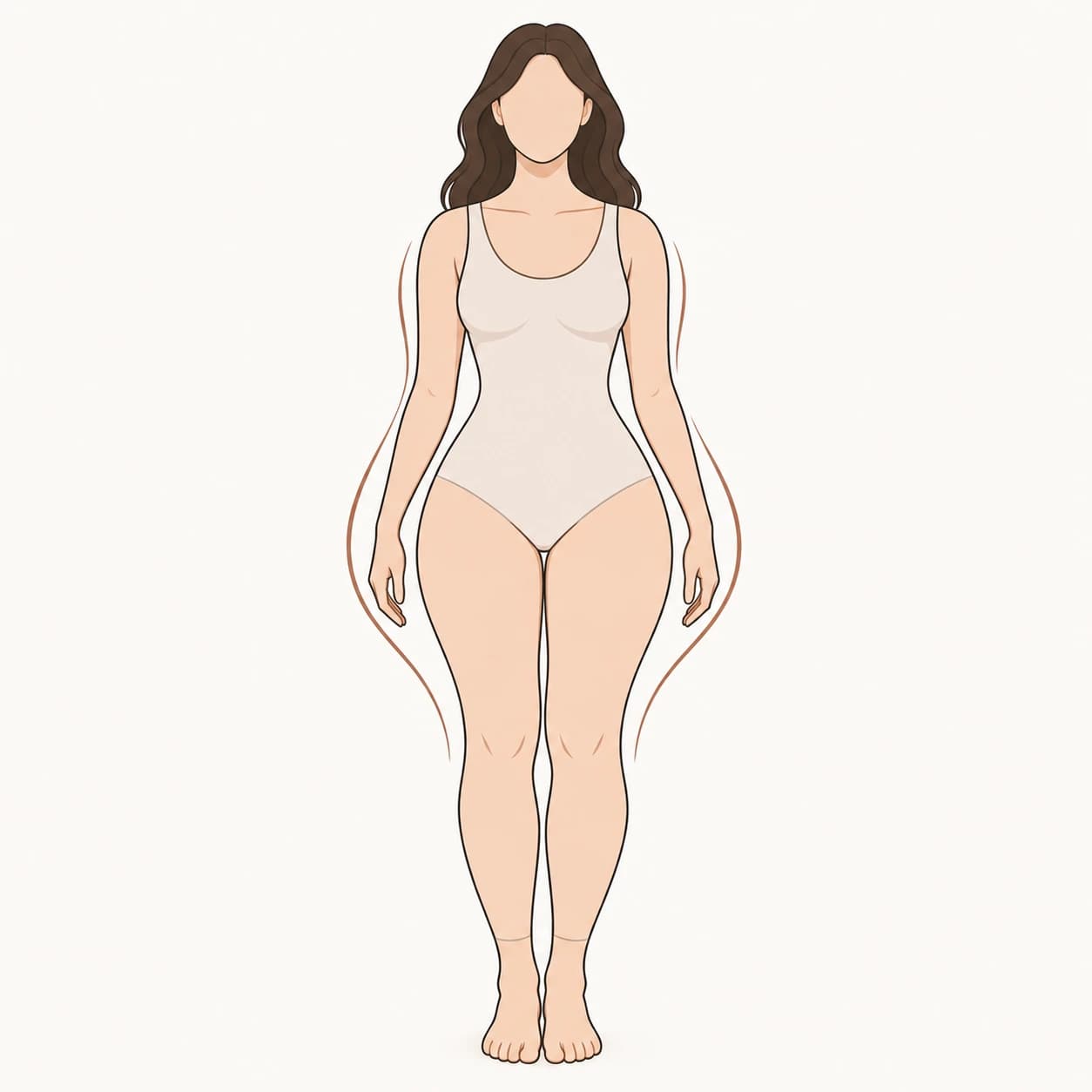
Illustration of a woman with a hourglass body shape

How to dress an hourglass body shape

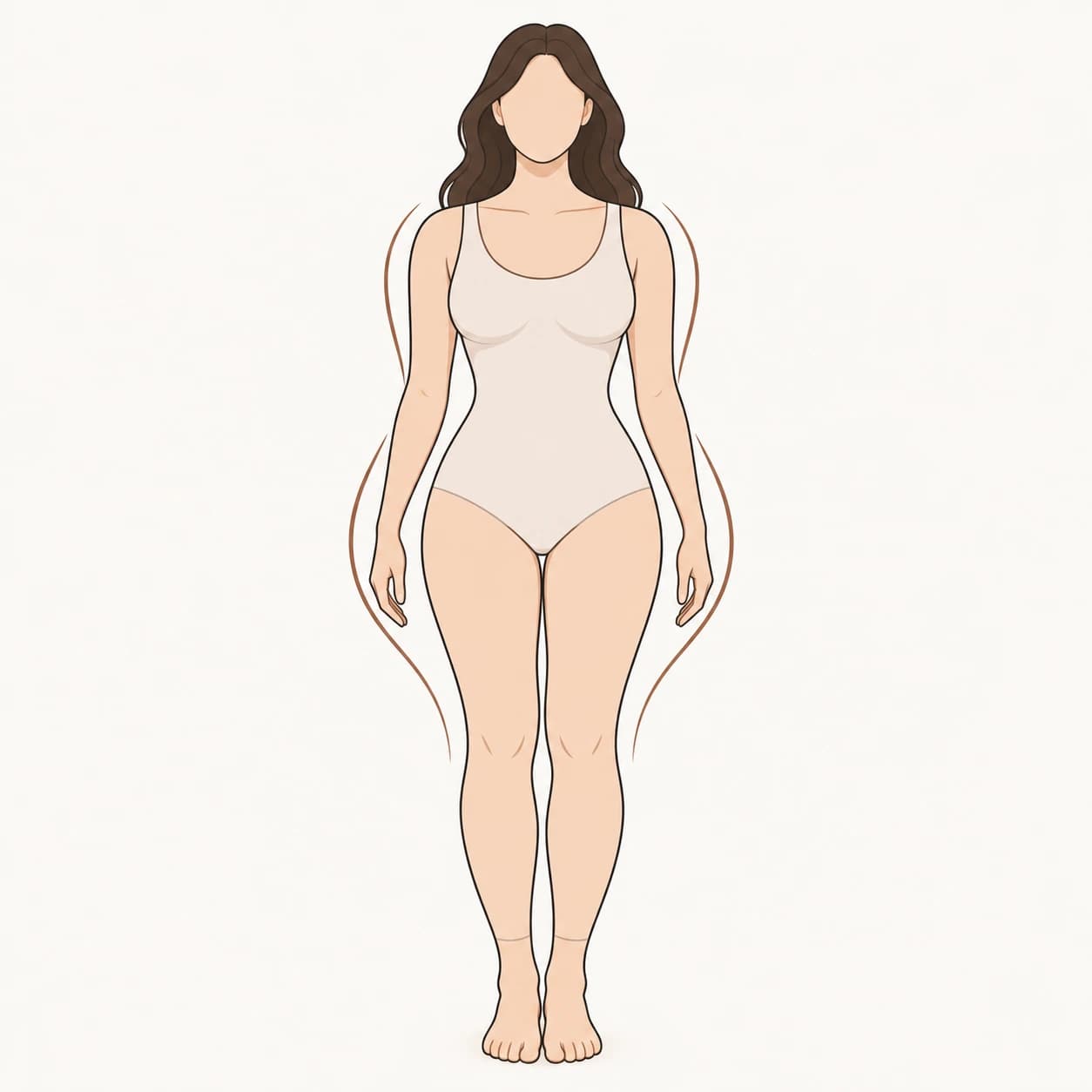
Bust and hips are similar, with a clearly smaller waist. The most common fit issue is clothes that fit the bust and hips but are loose at the waist.

Tops
Wrap tops, fitted knits and shirts with darts or princess seams follow the waist. Boxy tops fit the bust but can hang straight past the waist.
Pants & skirts
High- and mid-rise pants with a contoured waistband reduce waist gaping. Curvy-fit jeans are cut for a larger hip-to-waist difference.
Dresses
Wrap dresses, belted styles and fit-and-flare cuts are shaped where your body is. With straight shifts, a belt adds waist shaping.
More about the hourglass shape
Illustration of a woman with a pear body shape

How to dress a pear body shape

Hips are wider than the bust. Many people wear a different size on top and bottom, and pants often fit the hips but gap at the waist.

Tops
Your usual top size often fits well. Details at the shoulders or neckline — boat necks, structured shoulders, patterns — draw attention upward if you want balance.
Pants & skirts
Curvy-fit pants, A-line skirts and wide-leg or bootcut trousers give room through the hips and thighs. Check the hip measurement first on size charts.
Dresses
A-line and fit-and-flare dresses are cut fuller below the waist. Separates let you choose different sizes for top and bottom.
More about the pear shape
Illustration of a woman with a apple body shape

How to dress an apple body shape

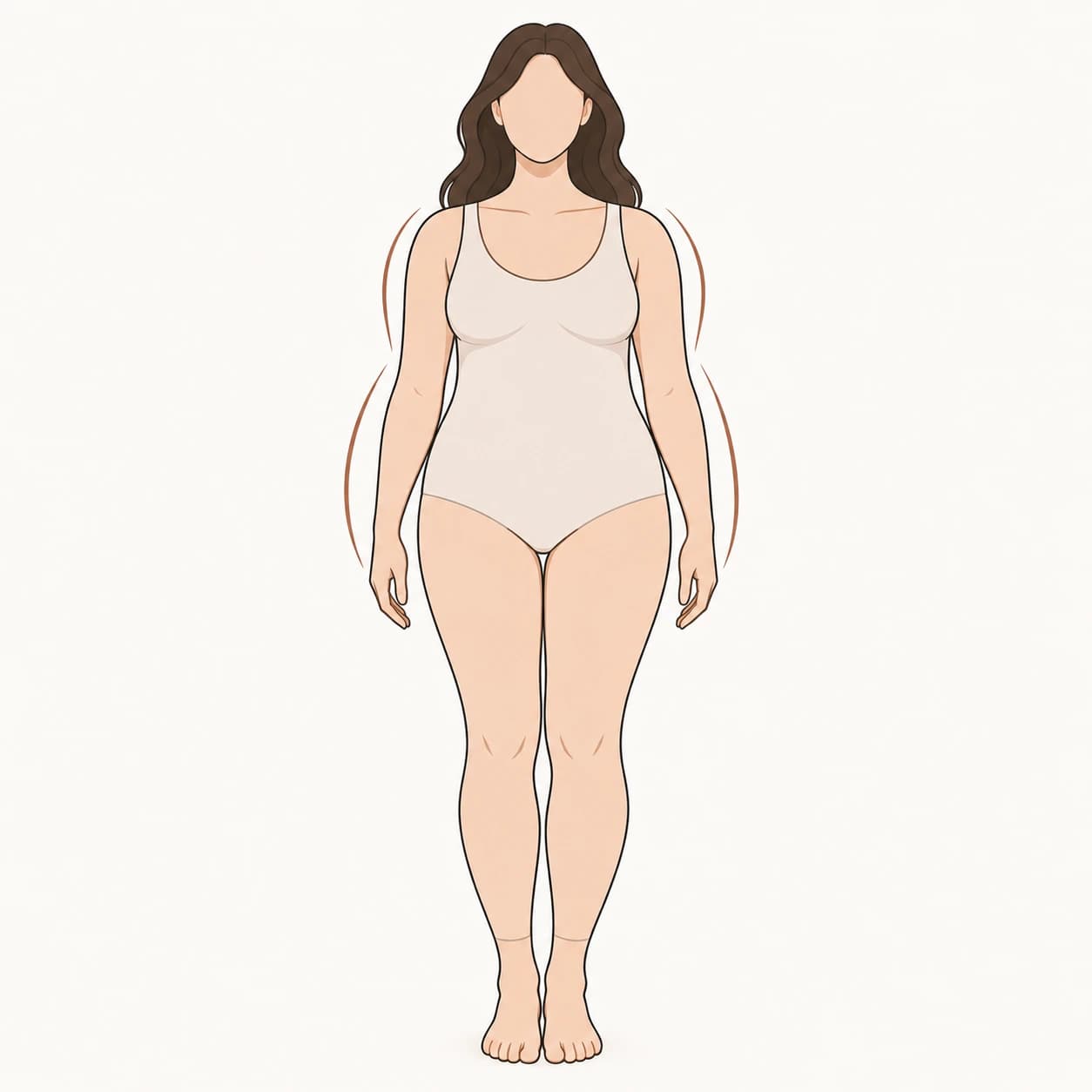
The waist is about as wide as, or wider than, the bust and hips. Clothes often fit the shoulders and hips but feel tight around the middle.

Tops
Tops with some ease through the middle — tunics, shirts with a straight or slightly A-line cut — fit comfortably. V-necks and open collars lengthen the upper body.
Pants & skirts
Mid- or high-rise styles with some stretch, or flat-front pants with a comfortable waistband, fit better than very low rises.
Dresses
Empire-waist, shift and wrap dresses with ease through the middle are comfortable choices. Fabrics with drape skim rather than cling.
More about the apple shape
Illustration of a woman with a rectangle body shape

How to dress a rectangle body shape

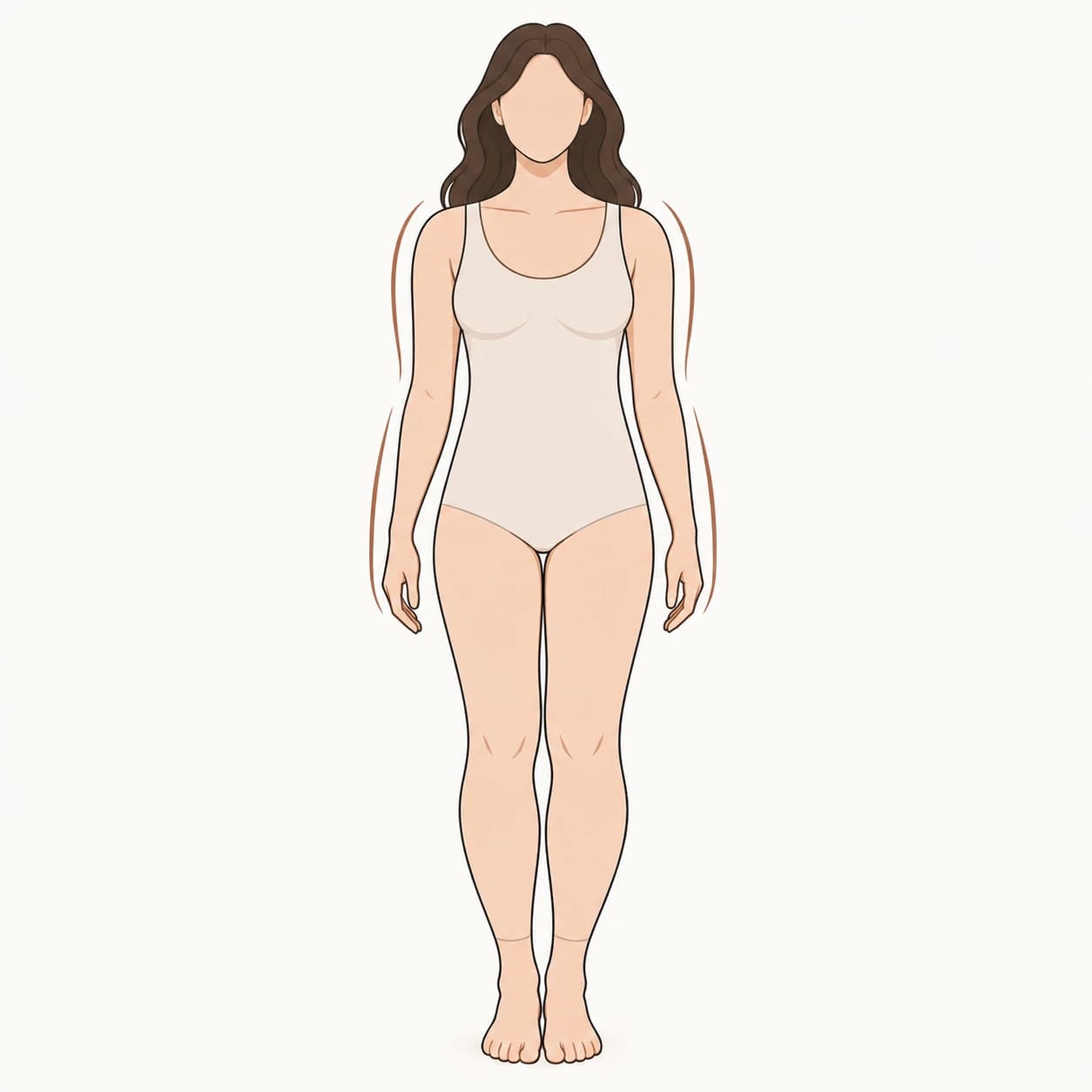
Bust, waist and hips are fairly similar. Standard straight cuts often fit well with little alteration.

Tops
Most cuts fit. Peplums, wrap styles or belted layers create waist shaping if you want it; boxy and straight tops suit the natural line.
Pants & skirts
Straight, slim and wide-leg pants all fit well. Pockets, pleats or volume at the hips add curve if you want it.
Dresses
Shift, sheath and slip dresses follow a straight outline; belted or fit-and-flare styles add shaping. Choose by preference.
More about the rectangle shape
Illustration of a woman with a inverted triangle body shape

How to dress an inverted triangle body shape

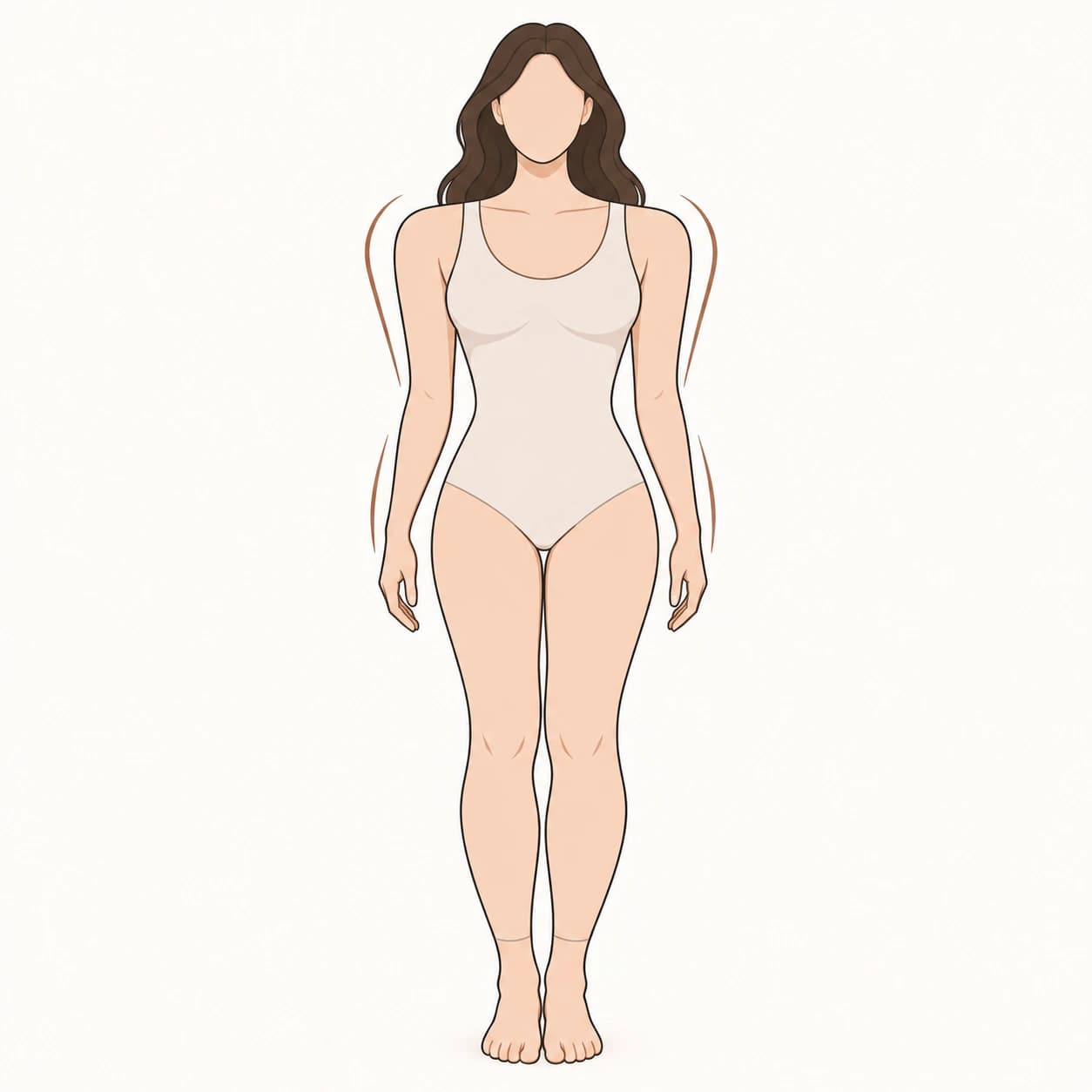
The bust (and often the shoulders) is wider than the hips. Tops can be the tighter fit, while pants fit easily.

Tops
Check the bust and shoulder measurements first. V-necks, raglan sleeves and softer fabrics fit comfortably across the upper body.
Pants & skirts
Most leg shapes fit. Wide-leg pants, A-line skirts or details at the hips add volume below the waist if you want balance.
Dresses
A-line and fit-and-flare dresses add fullness at the hem; wrap dresses fit the bust adjustably.
More about the inverted triangle shape

Use your measurements when shopping

Your shape tells you which measurement matters most; your numbers tell you the size. Compare your bust, waist and hips with each brand’s chart, and choose by the measurement that is hardest to alter — usually the bust for tops and the hips for pants and skirts.

For pants, the pants size calculator turns your waist, hips and inseam into a US size. For men’s fit by shape, see the male body shape calculator.

Dressing for your body type FAQ

Do I have to dress for my body type?

No. Body type advice is just a way to understand how clothes are cut and why some fit better than others. Wear what you like and feel comfortable in.

How do I find out my body type?

Measure your bust, waist and hips and use the female body shape calculator, or take the body shape quiz if you don’t have a tape measure.

What if I’m between two body types?

Many people are. Read the advice for both shapes and use what matches your fit issues — for example, waist gaping or tight hips.

Does this advice apply to men?

The five shapes here are the ones usually used for women. Men’s shapes — trapezoid, inverted triangle, rectangle, triangle and oval — are covered on the male body shape calculator page, with fit notes for each.

Find your shape and size

Cookie settings

Choose which optional categories you allow. You can change this at any time from “Cookie Settings” in the footer.